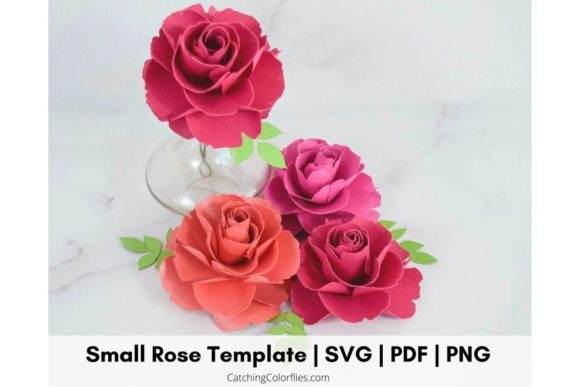
Ruby Rose Paper Flower Templates for 3D SVG and Editorial Design
In the world of digital publishing, a blog is only as strong as its visual identity. As a designer who has spent years refining editorial layouts and optimizing content for high conversion, I know that every graphic asset tells a story before a single word is read. Recently, I evaluated a specific design resource called Ruby Rose Paper Flower Templates, and it immediately caught my eye for its potential to elevate lifestyle blogs, creative marketplaces, and aesthetic-focused content sites. This review explores how this graphic design asset fits into a real-world publishing workflow, from featured images to newsletter headers.
The First Impression: Mood and Editorial Tone
When you first encounter Ruby Rose Paper Flower Templates, the immediate feeling is one of refined elegance mixed with approachable charm. The inclusion of 1 Ruby rose flower template plus a vine and my ethereal leaf template creates a composition that feels organic yet structured. For a publisher, this distinction matters immensely. It does not scream "cheap clip art"; instead, it whispers "curated lifestyle."
This asset naturally supports niches that value femininity, creativity, and soft aesthetics. Whether you are running a wedding planning site, a home decor blog, or an online education platform focused on arts and crafts, this design brings a sense of polish that builds reader trust. The Paper Flowers style offers a tactile quality even in a digital format, suggesting that the content behind it is handcrafted and thoughtful. In a feed dominated by stark stock photography, this 3D SVG element stands out because it implies depth and texture.
Integrating Assets into a Real Publishing Workflow
I recently tested these files within a comprehensive content strategy for a client's affiliate marketing blog. The goal was to create a cohesive visual system that would work across multiple touchpoints without looking disjointed. Here is how Ruby Rose Paper Flower Templates performed in actual production scenarios:
- Featured Images and Hero Headers: The 3D SVG nature of the file allowed us to scale the rose up to full-width website banners without losing crispness. We placed the ruby rose on the left side of the header, balancing it with bold sans-serif typography. The result was a professional-looking website header that immediately signaled a shift to a softer, more engaging tone.
- Pinterest Graphics and Social Media: For Pinterest pins, we utilized the included PNG images alongside the cut files. The contrast between the deep red of the rose and white backgrounds proved excellent for click-through rates. The vine element was particularly useful for framing text boxes, creating a natural visual hierarchy that guided the user's eye toward the call-to-action button.
- Digital Guides and Lead Magnets: One of the most powerful uses for this asset was on downloadable resources. We designed a cover for a free digital guide using the rose as a central motif. Because the product includes Printable PDFs for hand cutting and SVG cut files for machines, we could also offer a physical version of our lead magnet, bridging the gap between digital and tangible value.
- Newsletter Banners: Email open rates often depend on the subject line and the preview image. Using the Ruby Rose Paper Flower Templates as a decorative accent in the email header added a touch of personality that increased engagement among our subscriber base.
Enhancing Brand Identity and Performance
A consistent visual language is the backbone of successful content marketing. When readers see the same elegant floral motif across your blog posts, social media, and emails, it reinforces your brand identity. Ruby Rose Paper Flower Templates provides the consistency needed to make a small business look like an established authority.
The versatility of the file formats is a major advantage for publishers. The inclusion of DXF files alongside the standard vector formats means that if you want to create physical products to sell on your site, such as greeting cards or scrapbook kits, you are already set. This flexibility turns a simple design asset into a revenue-generating tool. Furthermore, having PNG images ready for instant use saves hours of editing time when you need to quickly publish a news update or a seasonal post.
By integrating this asset, we saw improvements in several key metrics. The blog graphics felt more intentional, leading to longer time-on-page. The affiliate content visuals became more clickable because they looked less like generic advertisements and more like curated recommendations. Ultimately, a polished design fosters better reader trust, which is essential for converting traffic into loyal followers and customers.
Strategic Placement and Best Practices
While this is a versatile tool, smart publishers know that context is everything. To get the most out of Ruby Rose Paper Flower Templates, you must place them strategically within your layout.
- Hero Images and Thumbnails: These assets shine brightest in large formats where detail can be appreciated. Use them for article thumbnails where the image needs to stop the scroll.
- Editorial Accents: Don't let the graphic overwhelm the text. Use the vine element to frame quotes or section dividers. This adds a layer of sophistication to your editorial design.
- Category Visuals: Create a set of icons for different categories on your homepage using variations of the rose. This helps with category recognition and navigation.
However, there are places where this asset should be used with caution. If you are designing for a serious professional niche, such as legal advice or corporate finance, the playful nature of Paper Flowers might clash with the desired tone. Similarly, avoid using this on busy layouts where the intricate details of the 3D SVG will get lost in the noise.
Mobile optimization is another critical consideration. On small mobile screens, a complex floral design can become pixelated or cluttered if not scaled correctly. Always test your Canva template or custom layout on a smartphone to ensure the rose remains recognizable and does not obscure important text.
Technical Notes for the Digital Publisher
Before implementing this commercial design asset on a monetized website, there are a few practical steps every publisher should take. First, verify the commercial license associated with the download. Most marketplaces allow use on affiliate pages and paid products, but it is always wise to double-check the terms.
Performance matters. While SVG cut files for machines are lightweight, the raster versions (PNGs) can be heavy if exported at too high a resolution. Ensure you compress images properly to maintain fast load times, which is crucial for SEO and user experience. I recommend testing the final graphic in black and white to check for contrast issues; if the design disappears without color, it may not have enough visual weight for all contexts.
Finally, consider typography pairing. The Ruby Rose Paper Flower Templates works beautifully with script fonts for a romantic feel, but it also balances well with clean serif or sans-serif fonts for a modern look. Try placing the graphic beside different font styles to see what best suits your brand voice. The convenience of an instant download means you can iterate quickly, testing different combinations until you find the perfect fit for your creative design goals.
In conclusion, Ruby Rose Paper Flower Templates is more than just a decorative element; it is a strategic tool for enhancing the visual communication of any content-driven website. By leveraging its 3D SVG capabilities and diverse file formats, publishers can create a unified, professional, and trustworthy online presence that resonates with their audience.