Tiki Bar SVG: 3D Summer Graphics for Real Publishing
As a digital publisher who has spent years refining blog aesthetics and optimizing editorial layouts, I know that the difference between a passive reader and an engaged follower often comes down to visual communication. When I first encountered the Tiki Bar SVG, my immediate reaction wasn't just about the tropical aesthetic; it was about how this graphic design asset could elevate the entire visual hierarchy of a content website. In the world of online publishing, every pixel must work hard to build trust, guide the eye, and reinforce brand identity. This review explores how this specific 3D SVG file fits into a professional workflow for bloggers, affiliate marketers, and creative entrepreneurs.
The Editorial Mood and Reader Perception
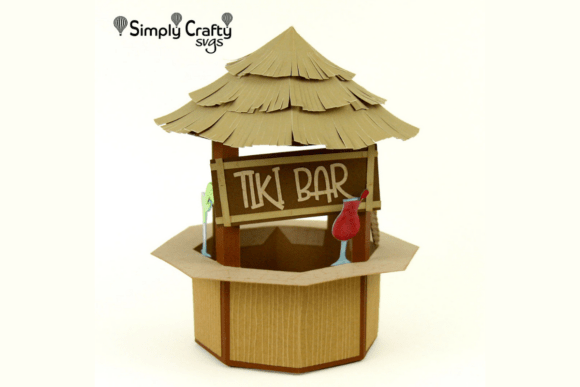
The first impression of the Tiki Bar SVG is one of curated playfulness. Unlike generic clip art, this highly detailed structure suggests a lifestyle-focused environment that feels both modern and inviting. For a content creator, this translates to an editorial mood that is seasonal yet artistic. It naturally supports niches related to travel, summer events, cocktail culture, or even home decor, but its versatility extends further. The design carries a sense of warmth and celebration that can soften the tone of serious topics while remaining polished enough for commercial use.
When integrated into a website header or a newsletter banner, this asset signals to the reader that the content inside is vibrant and thoughtfully designed. It creates a strong visual identity that distinguishes a personal blog from a generic information portal. However, it is crucial to recognize where this vibe lands best. It thrives in contexts that require a creative design touch, such as party planning guides, vacation itineraries, or summer-themed challenges. It may feel less appropriate for corporate legal advice or high-stakes financial reporting, where a minimal visual system is required to maintain authority.
Integrating Assets into Real Publishing Workflows
In my daily workflow, I rarely use graphics in isolation. They are components of a larger strategy involving featured images, Pinterest pins, and downloadable resources. The Tiki Bar SVG excels in these scenarios because of its vector nature, allowing for crisp scaling across different screen sizes. Imagine preparing a series of articles on hosting a summer luau. Instead of sourcing stock photos that might look inconsistent, using this single design asset ensures that every image—from the main post thumbnail to the social media preview—shares a cohesive DNA.
This consistency is vital for brand identity. When a user clicks through from a Pinterest pin to your blog, they should immediately recognize the style. The Tiki Bar SVG can serve as a central motif for a category page, acting as a visual anchor that helps readers navigate your content library. Furthermore, it is perfect for creating lead magnets. You could transform this graphic into the cover art for a digital guide on "Ultimate Summer Party Planning," adding value to your email list and positioning yourself as an expert in your niche.
- Pinterest Marketing: Use the graphic as the base for vertical pins with bold typography overlaying the 3D structure to drive click-throughs.
- Digital Guides: Incorporate the asset into eBook covers or printable worksheets to make them look professionally produced.
- Newsletter Headers: Create a recurring visual theme for seasonal newsletters that keeps subscribers engaged.
- Affiliate Content: Use the imagery to visually support product reviews for summer gear or barware, increasing the perceived value of the recommendations.
Boosting Performance Through Visual Hierarchy
One of the primary goals of any web designer is to improve the visual hierarchy. A well-placed graphic can break up walls of text and draw attention to key calls-to-action. The Tiki Bar SVG offers depth and dimensionality that flat illustrations sometimes lack, making it stand out in a crowded feed. When used as an article header, it captures attention within the first three seconds, which is critical for reducing bounce rates.
By utilizing this asset, you create a stronger first impression that encourages readers to explore further. It adds a layer of polish that suggests the content behind the image is equally high-quality. This psychological effect is essential for affiliate marketing and content marketing strategies where trust is the currency. If your site looks like a collage of random images, users hesitate to click on ads or buy products. A consistent, professional layout built around assets like this one fosters reader confidence and increases conversion potential.
Strategic Placement and Contextual Fit
To maximize the impact of the Tiki Bar SVG, strategic placement is key. It works exceptionally well as a hero image for landing pages dedicated to summer events or as a decorative accent in editorial layouts. You might place it beside a serif font for a classic, magazine-style look, or pair it with a sans-serif font for a clean, modern aesthetic. The possibilities for web design integration are vast, provided the context matches the mood.
However, there are areas where caution is necessary. On mobile devices, screen real estate is at a premium. If the graphic is too complex or lacks negative space, it can clutter small thumbnails and become indistinguishable. Test the asset carefully when scaled down to ensure it remains recognizable. Additionally, avoid placing it against busy backgrounds or low-contrast colors that might obscure the details of the 3D structure. If your website already features a heavy pattern or a chaotic layout, adding another detailed element could overwhelm the user interface.
For serious professional niches, such as law or medicine, this playful asset should be used sparingly, perhaps only as a subtle icon or a very small decorative element. In these cases, the goal is not to dominate the page but to add a touch of personality without compromising the professional tone. Always consider the balance between modern design trends and the specific needs of your audience.
Practical Publisher Notes for Implementation
Before integrating the Tiki Bar SVG into your monetized websites or paid content products, there are several technical checks you must perform. First, test the graphic on both desktop and mobile screens to ensure it scales correctly without losing resolution. Since this is a vector file, it should remain sharp, but the composition might need adjustment depending on the aspect ratio of the display.
Check the contrast and readability by placing headline text over or next to the graphic. Does the text pop, or does it get lost in the details? Try rendering the image in black and white to see if the shapes still hold their meaning without color cues. This is particularly important for accessibility standards. Also, experiment with pairing the graphic against different typefaces—script fonts for a handwritten feel, display fonts for bold headlines, and standard sans-serifs for body text—to find the most harmonious combination.
Don't forget the technical side of commercial design. Review the file size to ensure it won't slow down your website's load time. Even though SVGs are lightweight, complex 3D structures can sometimes be heavy if not optimized. Compress the images properly before uploading to your content management system. Finally, and most importantly, confirm your commercial license. Ensure that the terms allow for use on monetized blogs, affiliate pages, and digital downloads. Using a licensed asset responsibly protects your business and ensures you can focus on what matters most: creating valuable content.
Ultimately, the Tiki Bar SVG is more than just a festive image; it is a tool for building a cohesive digital presence. By understanding its strengths and limitations, you can leverage this digital download to create engaging, professional, and high-performing content that resonates with your audience all season long.